
 English
 Portugues
 Pусский
 Français
 العربية
 Indonesia
 Melayu
 Tiếng Việt
 Filipino


tratamiento de aguas residuales de teñido de textiles
Textile dyeing wastewater is one of the most challenging industrial effluents to treat because it is highly colored, chemically complex, and often toxic. It typically contains residual dyes, salts, surfactants, auxiliaries, and sometimes heavy metals. The wastewater also varies greatly in pH, temperature, and composition, which complicates treatment and control.A key problem is the presence of synthetic dyes, especially reactive, azo, and disperse dyes. These molecules are designed to be stable to light, heat, and washing, which also makes them resistant to biodegradation. Many dyes and their breakdown products can be toxic, mutagenic, or carcinogenic. High color levels block sunlight penetration in receiving waters, disrupting photosynthesis and aquatic ecosystems. In addition, textile effluents usually have high chemical oxygen demand (COD), biological oxygen demand (BOD), and total dissolved solids (TDS), all of which must be reduced before discharge or reuse.Treatment of textile dyeing wastewater generally combines several physical, chemical, and biological processes. Primary treatment focuses on equalization, screening, and sometimes neutralization to stabilize flow and pH, and to remove coarse solids and fibers. This step helps protect downstream processes from hydraulic and pollutant shocks.Chemical treatment methods are widely used for color and COD reduction. Coagulation–flocculation with inorganic or organic coagulants can aggregate colloidal particles and some dye molecules into settleable flocs. Advanced oxidation processes, such as ozonation, Fenton reaction, or UV/H₂O₂, generate highly reactive radicals that break down complex dye structures into smaller, more biodegradable compounds. Adsorption using activated carbon or low-cost materials (such as agricultural residues or industrial by‑products) is effective for removing residual dyes and some organic contaminants. Membrane processes, including ultrafiltration, nanofiltration, and reverse osmosis, are increasingly applied for color removal, desalination, and water reuse, although they generate concentrated brines that require further management.Biological treatment remains a cornerstone for reducing BOD and part of the COD. Conventional activated sludge systems, sequencing batch reactors, and biofilm reactors can degrade many organic compounds, especially after appropriate pretreatment. However, many dyes are not readily biodegradable under aerobic conditions. Anaerobic processes can decolorize certain azo dyes through reductive cleavage of the azo bond, often followed by aerobic polishing to mineralize the resulting aromatic amines. Combining anaerobic and aerobic stages can improve overall removal efficiency and stability.Sustainable management of textile dyeing wastewater increasingly emphasizes water and chemical recovery, process optimization, and the use of more environmentally friendly dyes and auxiliaries. Integrated treatment trains tailored to specific effluent characteristics, along with real‑time monitoring and control, can significantly reduce environmental impacts and support water reuse within the textile industry.
Producto
Categoría:
-
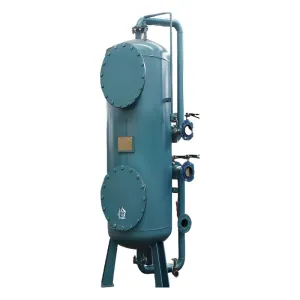
Filtro de medios, sistema de filtración de medios, filtro de arena
Su clasificación: Equipos de tratamiento de aguas residualesVistas: 546Número:Tiempo de liberación: 2025-11-13 21:22:50El filtro de medios producido por BETTER EPT puede eliminar materia suspendida, arena, hierro, manganeso y partículas adhesivas que no pueden eliminarse por precipitación en las aguas residuales. La turbiedad de las aguas residuales tratadas es inferior a 5 mg/L, cumpliendo con los estándares de calidad del agua potable. Este filtro de medios puede ser ampliamente utilizado en el tratamiento de aguas residuales de energía electrónica, tratamiento de aguas residuales petroquímicas, tratamiento de aguas residuales de galvanoplastia, tratamiento de aguas residuales de teñido de textiles, etc.
Noticias
Categoría:
¡Sin resultados de búsqueda!
Caso
Categoría:
¡Sin resultados de búsqueda!
Video
Categoría:
¡Sin resultados de búsqueda!
Descargar
Categoría:
¡Sin resultados de búsqueda!
Reclutamiento
Categoría:
¡Sin resultados de búsqueda!
Productos recomendados
¡Sin resultados de búsqueda!

 .



 Whatsapp
 Teléfono